Composite vs Wood Fence: Differences to Know Before You Buy
TL;DR
- A wood fence is built from lumber. A composite is a material that combines wood with a plastic polymer.
- Public guidance on wood fences centres on decay: treated or decay-resistant posts, boards kept off the ground and a finish that repels water.
- PrimeAlux supplies composite privacy fencing in woodgrain, priced by quote.
The difference between a composite fence and a wood fence starts with the material: wood is lumber, and a composite combines wood with a plastic polymer. This guide explains both, repeats what a public source says about looking after a wood fence, and lists the questions to ask a supplier.
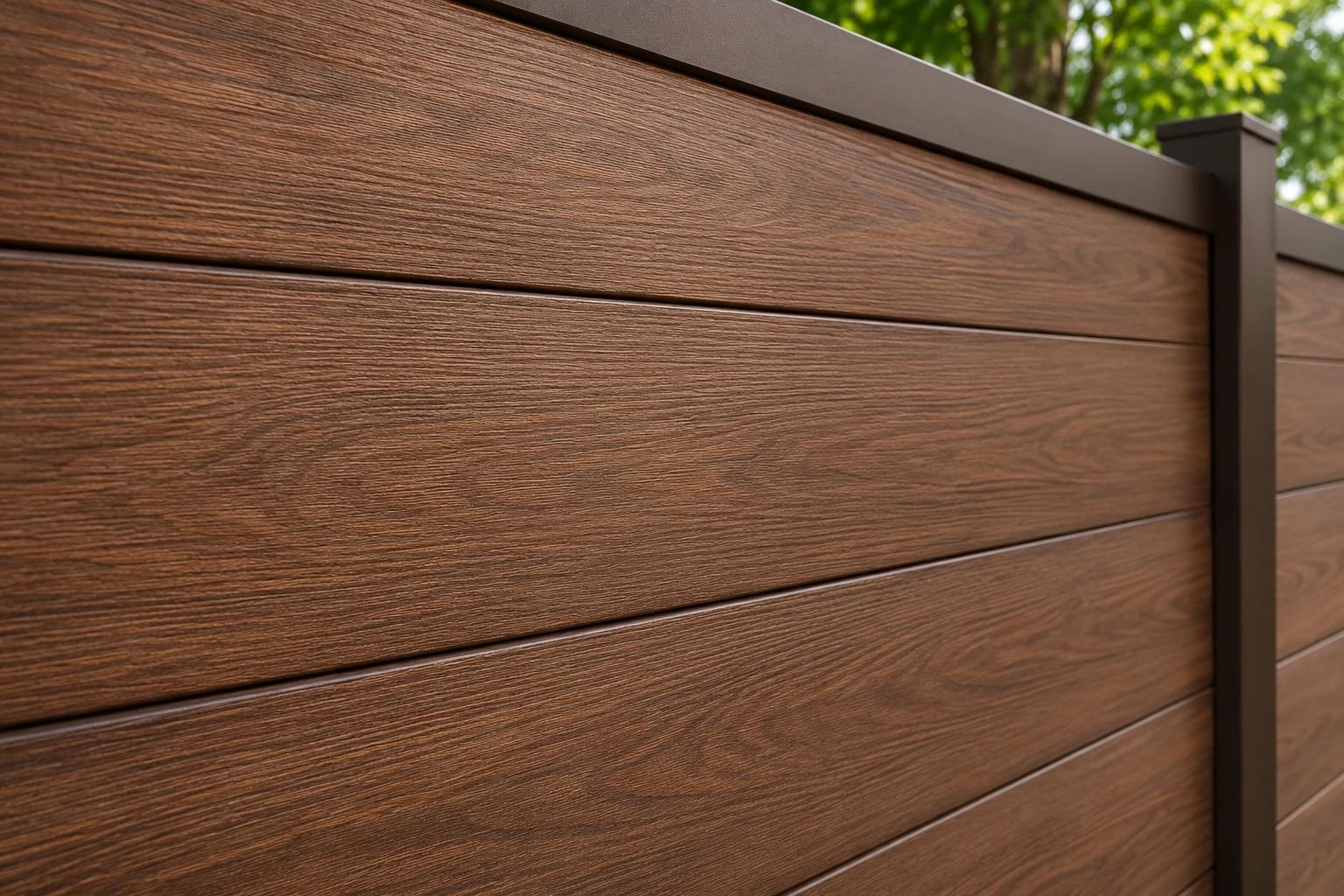
What a wood fence is
A wood fence is made of posts set in the ground, horizontal rails between the posts, and boards or pickets fixed to the rails. Every part is lumber.
The guidance on wood fences is mostly about decay. A University of Wisconsin-Extension publication written with the USDA Forest Products Laboratory gives these points:
- For posts, use wood with deep preservative treatment, preferably a pressure treatment for below ground use.
- If you use naturally decay-resistant wood for posts, choose posts with mostly heartwood.
- Horizontal rails require more protection from decay than vertical boards do.
- Keep boards off the ground.
- If you want a finish, penetrating, pigmented stains are preferred over paints.
What a composite fence is
A composite fence uses boards made from a composite material in place of lumber boards. The USDA Forest Products Laboratory describes wood-plastic composites as materials that contain wood, in any form, and a plastic polymer.
The Forest Products Laboratory has studied how moisture and decay fungi affect wood-plastic composites used outdoors, and its 2024 summary covers the ways the material can be made to hold up better. Because a composite still contains wood, ask your supplier for the care instructions for the product you are buying.
PrimeAlux supplies composite privacy fencing in a woodgrain finish, Canada-wide. It is a closed fence for backyards and lot lines.
Composite vs wood fence, side by side
| Point | Composite fence | Wood fence |
|---|---|---|
| Made of | Wood combined with a plastic polymer | Lumber |
| Look | Woodgrain finish | Natural wood, stained or painted |
| Finish | Ask the supplier for the care instructions | Penetrating, pigmented stains are preferred over paints |
| Decay guidance | Ask the supplier | Treated or decay-resistant posts, boards kept off the ground |
Questions to ask before you buy either
Ask the same five questions of any fence supplier, whatever the material.
- What exactly is the board made of?
- What care does the supplier's own documentation ask for?
- Which heights and colours can I order?
- Are gates part of the same order?
- What does the quote include?
Then check your municipal fence bylaw. Height limits apply to composite and wood alike, and front yards usually have a lower limit than back yards.
A third option: aluminum in a wood tone
If the wood look is what you want, aluminum is worth a look as well. PrimeAlux aluminum panels come in four standard colours, Walnut, Grey Walnut, Natural Walnut and Grey Brown. Aluminum does not rust or rot, and the slats need only an occasional rinse to stay clean.
Get a quote
Want pricing for a woodgrain privacy fence?
Where to read more
- Composite fence in woodgrain
- Aluminum privacy panels in wood tones
- Canadian-made vinyl fencing, which includes a grey woodgrain colour
Frequently Asked Questions
What is the difference between a composite fence and a wood fence?
A wood fence is built from lumber. A composite fence uses boards made from a material that combines wood with a plastic polymer.
What does PrimeAlux supply for a wood look?
PrimeAlux supplies composite privacy fencing in woodgrain, vinyl fencing in grey woodgrain and aluminum panels in four wood-tone colours.
How should a wood fence be protected from decay?
A University of Wisconsin-Extension publication written with the USDA Forest Products Laboratory advises posts with deep preservative treatment, boards kept off the ground and a finish, with penetrating, pigmented stains preferred over paints.
Does a composite fence need care?
Ask your supplier for the care instructions for the product you buy. A composite still contains wood.
How is a composite fence priced?
PrimeAlux prices composite fencing by quote. Send the length and height of your fence through the contact form, and our sales team prepares the pricing. Contractors receive tiered pricing.
Sources
- University of Wisconsin-Extension and USDA Forest Products Laboratory, Protecting wood fences for yard and garden (A3052)
- USDA Forest Products Laboratory, Wood thermoplastic composites
- USDA Forest Products Laboratory, Fungal and moisture durability of wood-plastic composites (FPL-GTR-303, 2024)
- PrimeAlux Privacy Aluminum Fence
Published .
This article is general planning information. Product specifications come from the PrimeAlux product pages and may change. Confirm dimensions, mounting and installation details with PrimeAlux before ordering, and check your local bylaws and permit requirements. This is not engineering or legal advice.