Aluminum Privacy Fence Panels vs Wood Fences
When homeowners start planning a backyard fence, one of the first decisions is choosing the material. For many years, wood was the most common option. Today, aluminum privacy fence panels have become increasingly popular because they offer a modern appearance and require less maintenance.
Both materials can create privacy around a backyard, but they behave very differently over time. Understanding the differences between aluminum and wood fencing helps homeowners choose a solution that fits their lifestyle, maintenance preferences, and long-term goals.
Privacy and Visual Screening
One of the main reasons homeowners install a fence is to create privacy. A fence defines the boundary of the yard and blocks views from neighboring homes or nearby streets.
Wood fences traditionally provide full privacy because boards are installed tightly together. This creates a solid barrier that prevents people from seeing into the yard.
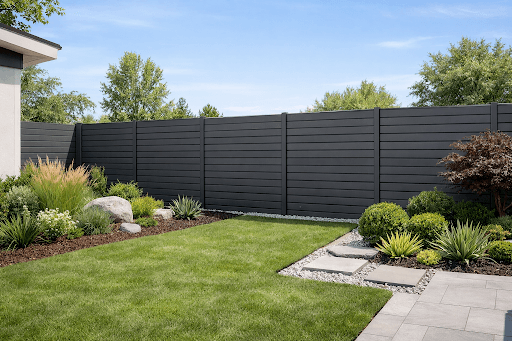
Modern aluminum fencing systems offer similar screening. Homeowners can choose privacy aluminum fence panels that use horizontal slats to create a solid visual barrier. These panels provide the same level of screening as wood fences while offering a cleaner and more contemporary design.
The result is a backyard that feels private and secure without sacrificing style.
Appearance and Design Options
Wood fences have a traditional look that many homeowners recognize. They can be painted or stained in different colors, and they often blend well with natural landscapes.
However, wood fences can change appearance over time. Sun exposure, moisture, and temperature changes may cause boards to fade, crack, or warp.
Aluminum privacy fence panels maintain a more consistent appearance. Powder coated finishes protect the surface and help preserve color for many years. Horizontal slat designs are particularly popular because they complement modern homes and contemporary outdoor spaces.
For homeowners who want a reinforced design with a sleek appearance, privacy plus aluminum fence panels provide a strong and visually refined option.
Maintenance Requirements
Maintenance is one of the biggest differences between wood and aluminum fencing.
Wood fences require regular care to maintain their appearance and durability. Staining or painting is often needed every few years to protect the wood from moisture and sun exposure. Boards may also need to be replaced if they warp or crack.
Aluminum fences require much less maintenance. The protective coating helps prevent corrosion and fading. Cleaning usually involves simple washing to remove dust or debris.
For homeowners who prefer a fence that maintains its appearance with minimal upkeep, aluminum privacy fence panels are often the more convenient choice.
Durability Over Time
Outdoor fences are exposed to weather throughout the year. Rain, snow, heat, and humidity all affect how materials perform over time.
Wood is a natural material that absorbs moisture. Over time, repeated wet and dry cycles can cause boards to expand and contract. This movement may lead to warping or splitting.
Aluminum does not absorb moisture, which means it maintains its shape in changing weather conditions. This stability helps aluminum privacy fence panels stay straight and aligned even after years of exposure.
For homeowners who want a fence that holds its structure without frequent repairs, aluminum systems provide long term durability.
Airflow and Backyard Comfort
Airflow is another factor homeowners may not consider when choosing a fence.
Traditional wood privacy fences create a completely solid surface. While this provides maximum screening, it can also block airflow across the yard.
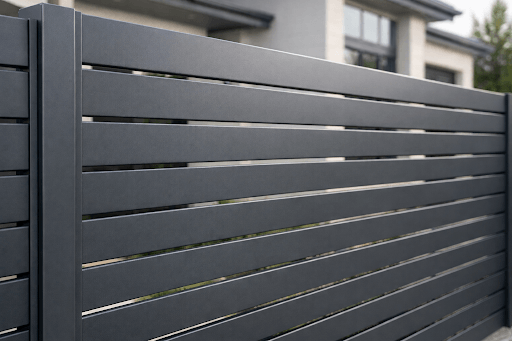
Some aluminum fencing designs allow homeowners to choose between full privacy and semi privacy configurations. Semi privacy designs include small gaps between slats, which allow air to move through the fence.
Homeowners who want privacy but still prefer airflow may consider semi privacy aluminum fences. These designs create separation between properties while maintaining ventilation in the backyard.
Cost and Long Term Value
Wood fences are sometimes less expensive initially, which is one reason they remain popular. However, long term costs should also be considered.
Maintenance materials, repairs, and board replacement can add up over time. If the fence requires repainting or staining regularly, the total cost may increase.
Aluminum privacy fence panels may have a higher initial cost, but they often require less maintenance and fewer repairs. Over the life of the fence, this can make aluminum a cost effective option.
For many homeowners, the combination of durability, appearance, and low maintenance makes aluminum fencing a strong long term investment.
Choosing the Right Fence for Your Home
The best fence depends on your priorities.
If you prefer a traditional appearance and do not mind regular maintenance, a wood fence may meet your needs.
If you want a modern design that requires minimal upkeep and maintains its appearance for many years, aluminum privacy fence panels provide a durable alternative.
Both materials can create privacy around your backyard. The key difference is how much maintenance you are willing to perform over time.
Conclusion
A backyard fence plays an important role in shaping your outdoor space. It creates privacy, defines property boundaries, and contributes to the overall design of the yard.
While wood fences have been used for many years, aluminum privacy fence panels offer a modern solution that combines durability with low maintenance. By understanding the differences between these materials, homeowners can choose a fence that fits both their aesthetic preferences and their long term lifestyle.
With the right choice, your fence becomes more than a boundary. It becomes part of the environment that makes your backyard comfortable, private, and enjoyable.